



5 min read
Home
/
Troubleshooting Tips for a Furnace That Won’t Turn On
Troubleshooting a Furnace That Won't Turn On: Common Causes and Effective Solutions
A furnace that won’t start is uncomfortable and can point to anything from a simple control hiccup to a safety issue — so a quick, safe diagnosis matters This guide walks you through the most common reasons a furnace won’t fire, offers step-by-step DIY checks you can safely perform at home, and explains ignition-level troubleshooting so you can tell what you can fix yourself and when to call a licensed technician You’ll see how thermostat settings, breakers, airflow, ignition parts, gas supply, and safety switches all interact to allow — or block — your furnace from starting We also cover fan-only symptoms, flame sensor cleaning, and when to stop DIY and contact a pro in the Fraser Valley Practical checklists, tables, and clear procedures are included to help you work methodically — from simple resets to deciding on professional repairs Keywords included for clarity and search relevance: furnace won’t turn on, no heat, furnace igniter replacement, flame sensor cleaning guide, furnace maintenance checklist winter.
Why Is My Furnace Not Turning On Common Causes Explained
Most no-start problems fall into a few clear categories: power and controls, airflow, ignition, or fuel supply Pinpointing which group fits your symptom set narrows the checks you need to run Power and control issues cover things like thermostat settings or dead batteries, a tripped breaker, or a local shutoff switch that prevents the furnace from getting a start signal Airflow issues — such as a clogged filter or blocked vents — can trip safety switches and stop ignition Ignition faults (failed ignitor, dirty flame sensor, or pilot issues) stop the burners from lighting and often show as repeated start attempts or lockouts Identifying the right category helps you follow safe, effective troubleshooting and decide whether the fix is a DIY task or needs a trained HVAC technician.
This section breaks those causes into manageable checks so you can test in order of safety and simplicity Next we explain how thermostat behavior affects whether your furnace will start.
How Does the Thermostat Affect Furnace Operation?
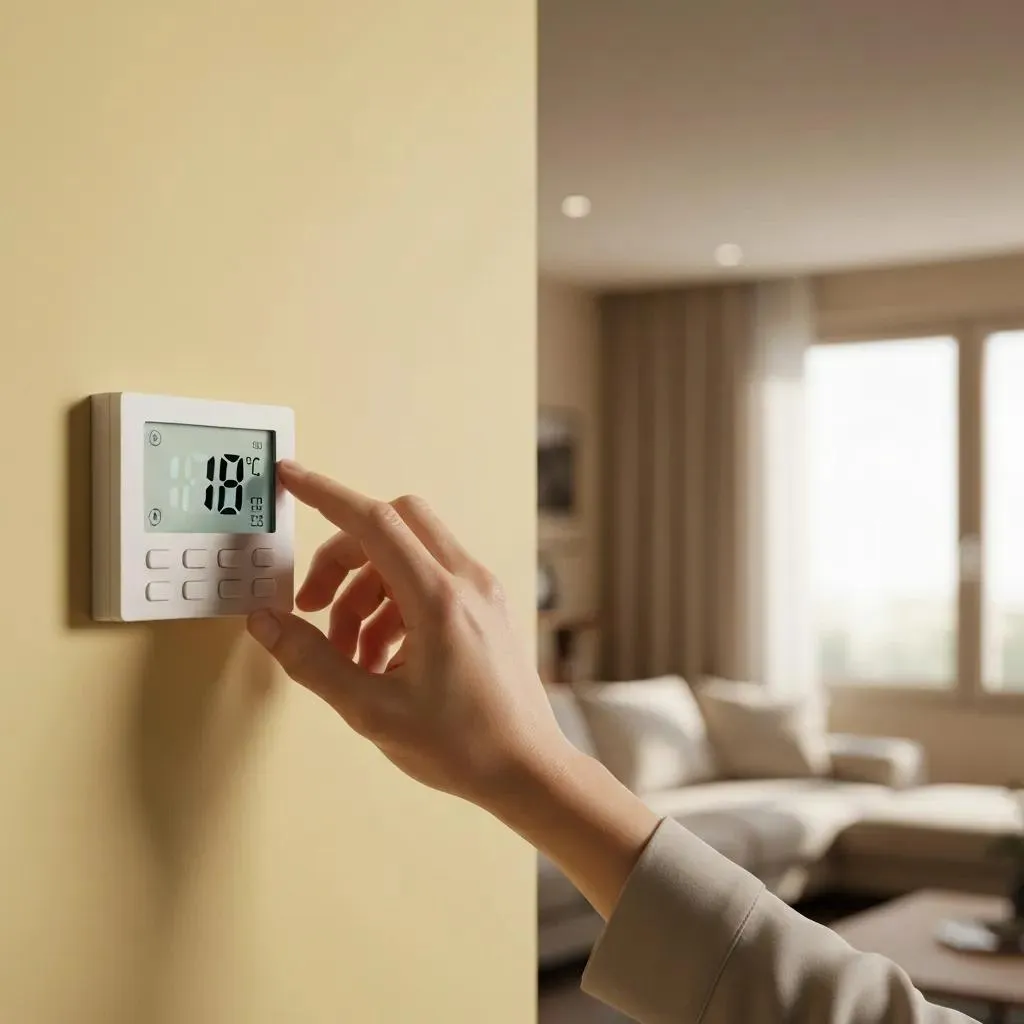
The thermostat is the furnace’s primary command point — if it isn’t calling for heat, the furnace won’t try to start Common thermostat issues include being set to OFF, set to COOL or FAN only, programmed schedules that lower the setpoint, or dead batteries in battery-powered units Smart thermostats can also lose power if they need a C-wire or enter lockouts that stop heating until reset To test: switch the thermostat to HEAT, raise the setpoint above room temperature, replace batteries if needed, and temporarily bypass any programming to check for an immediate response.
If the thermostat looks fine but the furnace still doesn’t start, check the circuit breaker and the furnace’s local power switch next — either can stop power even when the thermostat is calling for heat.
What Role Does the Circuit Breaker Play in Furnace Power?
Your furnace usually has a dedicated breaker or fuse in the electrical panel and a local on/off switch at the unit; either can cut power and make the system silent even when settings are correct
Customer Testimonials
Our customers consistently share their satisfaction with our professionalism, prompt service, and the lasting comfort we bring to their homes.
Financing
We offer convenient financing solutions designed to help you upgrade or repair your system without the upfront financial strain.
Blog
Short Heading Goes Here
Sed iaculis aenean sit sed risus arcu vitae integer elit.

5 min read
HVAC Maintenance Tips: A Go/No-Go Troubleshooting Guide for Sudden Failures

5 min read