



Indoor Air Quality In Maple Ridge, BC
Discover professional indoor air quality solutions in Maple Ridge. Ensure cleaner, healthier home air with our certified services. Call us to learn more!
Constant Sneezing and Stale Air Signals a Hidden Problem
Is your home plagued by dust, allergens, or musty smells? You could be breathing in lower-quality air than you think, which can negatively impact your respiratory health and daily comfort. Contact us to schedule a comprehensive air quality assessment or inquire about our financing options.
Big Valley Heating & Sheet Metal Ltd. understands that invisible contaminants are often the primary cause of indoor discomfort. When you address these issues professionally, you can expect the following outcomes:
- Receive a comprehensive air quality assessment.
- Improve your health with targeted solutions for air pollutants.
- Achieve peace of mind with professional recommendations and potent improvements.
Certified and insured technicians ensure a safe and thorough air quality evaluation.
Comprehensive Indoor Air Quality Solutions for Your Home
Homeowners often underestimate the complexity of the air inside their residences. It is not merely about temperature control; it is about the purity and moisture content of the air circulating through the ductwork. Professional Indoor Air Quality (IAQ) services go beyond simple filter changes. They involve a strategic approach to eliminating biological contaminants, chemical vapors, and microscopic particulates that standard systems miss.
When engaging a professional service for indoor air quality, the scope of work includes a multi-faceted approach designed to tackle specific pollutants. This ensures that the air you breathe is as clean as possible, reducing the load on your lungs and your HVAC system.
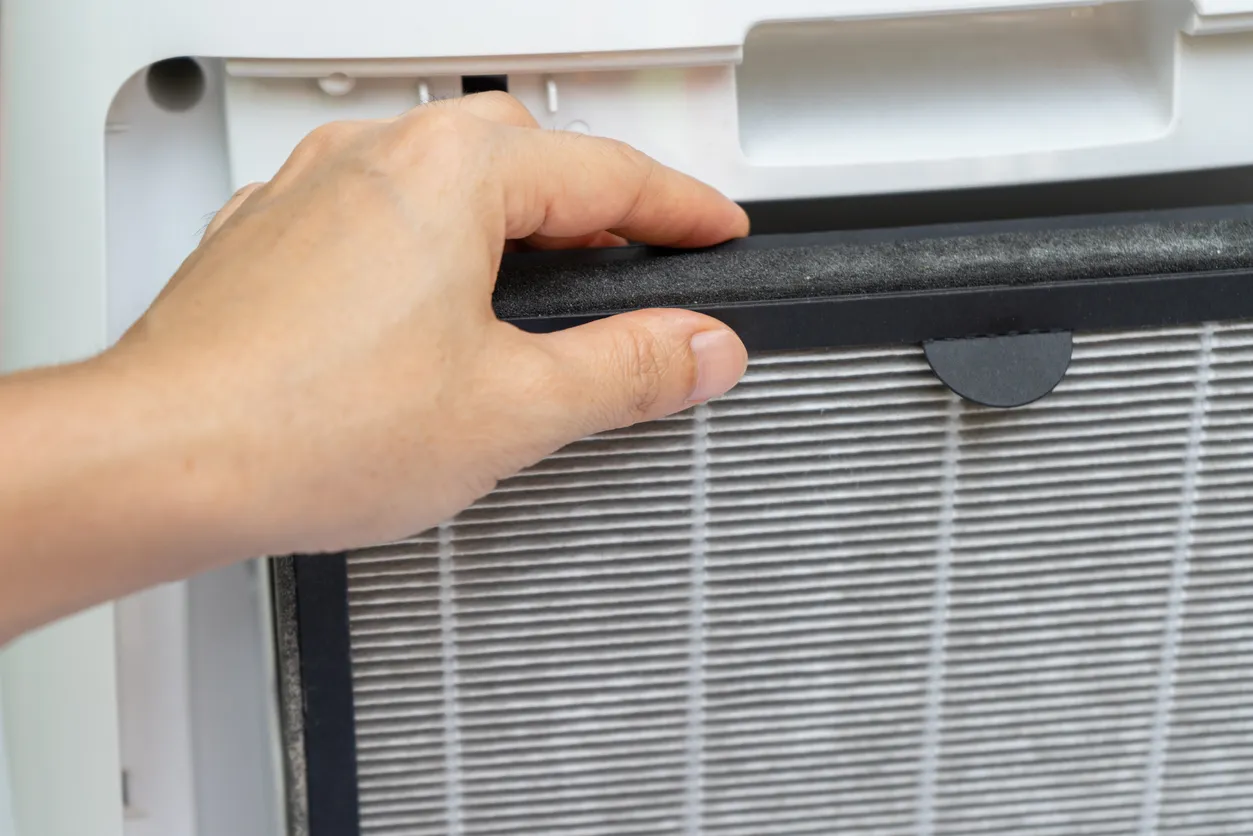
Air Purification and Filtration
Standard furnace filters are designed primarily to protect the equipment, not the people inside the home. Professional IAQ solutions introduce high-efficiency media air cleaners and HEPA filtration systems. These advanced filters capture up to 99.97% of airborne particles, including dust mites, pollen, pet dander, and mold spores. By trapping these contaminants before they recirculate, the overall particulate count in the home drops significantly.
UV Germicidal Lights
Filtration captures solids, but it does not always kill biological threats. UV germicidal lights are installed directly into the ductwork or near the evaporator coil. These lights emit ultraviolet energy that penetrates the cell walls of bacteria, viruses, and mold. This process neutralizes the microorganisms, preventing them from reproducing and spreading throughout the living space. This is particularly effective for households with immunocompromised individuals or those prone to seasonal illnesses.
Humidity Control Systems
Moisture balance is a critical component of air quality. Excess humidity promotes mold growth and dust mite proliferation, while air that is too dry can irritate nasal passages and damage wood furniture. Whole-home humidifiers and dehumidifiers work in tandem with the heating and cooling system to maintain optimal humidity levels, typically between 35% and 50%. This balance inhibits the growth of biological pollutants and improves perceived comfort.
Ventilation Solutions (HRVs and ERVs)
Modern homes in Maple Ridge are built to be airtight for energy efficiency, but this traps stale air inside. Heat Recovery Ventilators (HRVs) and Energy Recovery Ventilators (ERVs) are mechanical ventilation systems that exchange stale indoor air with fresh outdoor air. Crucially, they transfer heat (and sometimes moisture) between the airstreams, ensuring that energy is not wasted during the exchange. This results in a constant supply of fresh, oxygenated air without compromising thermal comfort.
The Process of Assessing and Improving Air Quality
Improving the environment inside a home is a systematic process. It requires diagnostic precision to identify the root causes of poor air quality rather than simply treating the symptoms. The workflow focuses on data-driven decisions and proper integration with existing HVAC infrastructure.
Initial Consultation and Site Analysis
The process begins with a detailed evaluation of the home. Technicians assess the current heating and cooling system, inspect ductwork for leaks or accumulation of debris, and identify potential sources of pollution. This step often involves discussing lifestyle factors, such as the presence of pets, recent renovations, or specific allergy concerns.
Diagnostic Testing
Advanced tools are employed to measure particulate levels, humidity, volatile organic compounds (VOCs), and carbon dioxide levels. This data provides a baseline reading of the home's "health." In some cases, pressure testing is conducted to determine if negative pressure is drawing outdoor pollutants or attic dust into the living space.
Customized Solution Design
Based on the diagnostic results, a tailored strategy is developed. This might involve a combination of upgraded filtration, UV sterilization, and ventilation improvements. The goal is to address the specific contaminants found during testing. For example, a home with high VOCs from new furniture requires different handling than a home struggling with mold spores due to dampness.
Installation and Integration
Certified technicians install the selected equipment. Great care is taken to integrate these components seamlessly with the existing furnace or air handler. This ensures that airflow is not restricted and that the new components function automatically whenever the system runs. Proper sealing of connections is performed to prevent air bypass.
Post-Installation Verification
Once the equipment is in place, the system is tested to verify performance. Technicians ensure that humidity levels are stabilizing, UV lights are operational, and airflow remains balanced. Homeowners receive instructions on maintenance, such as when to replace specialized media filters or UV bulbs, to ensure long-term performance.
Determining When to Retrofit vs. Replace Equipment
Homeowners often face the decision of whether to add air quality components to an existing system or to wait until the entire HVAC unit needs replacement. Understanding the technical feasibility and cost-benefit analysis of each approach helps in making an informed decision.
Retrofitting Existing Systems
In many scenarios, IAQ equipment can be successfully retrofitted onto existing furnaces and air handlers. If the current HVAC equipment is relatively new (under 10 years old) and functioning efficiently, adding a media air cleaner or a bypass humidifier is a cost-effective upgrade; check our current promotions for offers. However, space constraints in the mechanical room or the configuration of the ductwork can sometimes limit options. For instance, installing a large HEPA bypass system requires specific clearance that may not be available in smaller utility closets.
Integration During System Replacement
The ideal time to address indoor air quality is during the installation of a new heating or cooling system; explore available rebates for upgrades. When replacing a furnace, the sheet metal plenum is often redesigned, providing the perfect opportunity to incorporate larger, more efficient filtration cabinets or in-duct purifiers without compromising airflow. Furthermore, modern high-efficiency HVAC systems often come with variable-speed fans that allow for continuous low-level air circulation. This constant filtration makes IAQ accessories significantly more effective compared to older, single-stage systems that only filter air when the heat is blasting.
Assessing Ductwork Condition
Sometimes, the issue is not the equipment but the distribution system. If ductwork is old, leaky, or lined with years of accumulated dust and debris, simply adding a filter at the unit will not solve the problem. In cases where ducts are compromised, pollutants are drawn in from attics or crawlspaces (a process known as entrainment) and distributed to bedrooms. If the duct system requires extensive repair or sealing, it may be more prudent to combine this work with a full system overhaul to ensure the investment in air purifiers is not wasted on a leaky system.
Regional Factors Influencing Indoor Environments
The climate and environmental conditions in Maple Ridge play a significant role in determining the necessary air quality solutions. The specific weather patterns dictate which pollutants are most prevalent and which equipment is most essential.
Managing Maritime Humidity
The region experiences a temperate maritime climate characterized by significant rainfall in the fall and late spring, alongside mild, wet winters. This consistent moisture creates an ideal breeding ground for mold and mildew. Homes that lack proper ventilation or humidity control often develop musty odors and biological growth on windowsills or in basements. Consequently, dehumidification and effective ventilation (HRVs) are not luxury items but necessities for preventing structural damage and respiratory irritation caused by mold spores.
Seasonal Pollen and Particulates
While summers are generally dry and warm, they bring their own set of challenges. The dry season can lead to increased dust and pollen levels. Furthermore, recent years have seen instances of wildfire smoke drifting into the area, spiking particulate matter counts indoors. High-efficiency filtration capable of capturing fine smoke particles (PM2.5) is essential for maintaining breathable air during these periods.
Regulatory and Safety Considerations
All installations must adhere to local building codes and safety standards. Technicians follow guidelines set by entities such as the Government of Canada and Environment Canada regarding ventilation rates and energy efficiency. Ensuring that combustion appliances vent properly and that the home is not overly depressurized by new ventilation equipment is a critical safety check performed by licensed professionals.
Technical Expertise and Reliable Solutions
Selecting the right partner for indoor air quality involves looking for technical proficiency and a holistic understanding of building science. Big Valley Heating & Sheet Metal Ltd. focuses on diagnosing the whole home as a system rather than selling isolated products.
Accurate Sizing and Selection
Incorrectly sized equipment can lead to new problems. An oversized humidifier can cause window condensation and rot, while an undersized air purifier will fail to clean the air effectively. Professionals calculate the volume of the home and the airflow rate of the HVAC system to select components that match the specific requirements of the space.
Focus on Long-Term Health
The goal of IAQ services is long-term health and comfort. By reducing the concentration of allergens and pathogens, homeowners often report better sleep, fewer allergy symptoms, and a cleaner home environment requiring less dusting. The investment in air quality is an investment in the well-being of the occupants.
Warranty and Support
Professional installations come with manufacturer warranties on parts and labor guarantees from the service provider. This protection ensures that if a component fails or does not perform as anticipated, it is rectified promptly. DIY solutions or big-box store purchases rarely offer the same level of support or performance verification.
Contact Now
Taking control of the air you breathe is a proactive step toward a healthier life. With the right combination of filtration, purification, and humidity control, your home can become a sanctuary free from the invisible pollutants that affect your daily well-being.
Ready to breathe easier? Contact us today to schedule your professional indoor air quality assessment.
Customer Testimonials
Our customers consistently share their satisfaction with our professionalism, prompt service, and the lasting comfort we bring to their homes.