Residential Air Conditioning and Heating in Maple Ridge, BC
Struggling with home temperature control in Maple Ridge? Contact us for expert HVAC repairs, installation, and long-term efficiency solutions today!
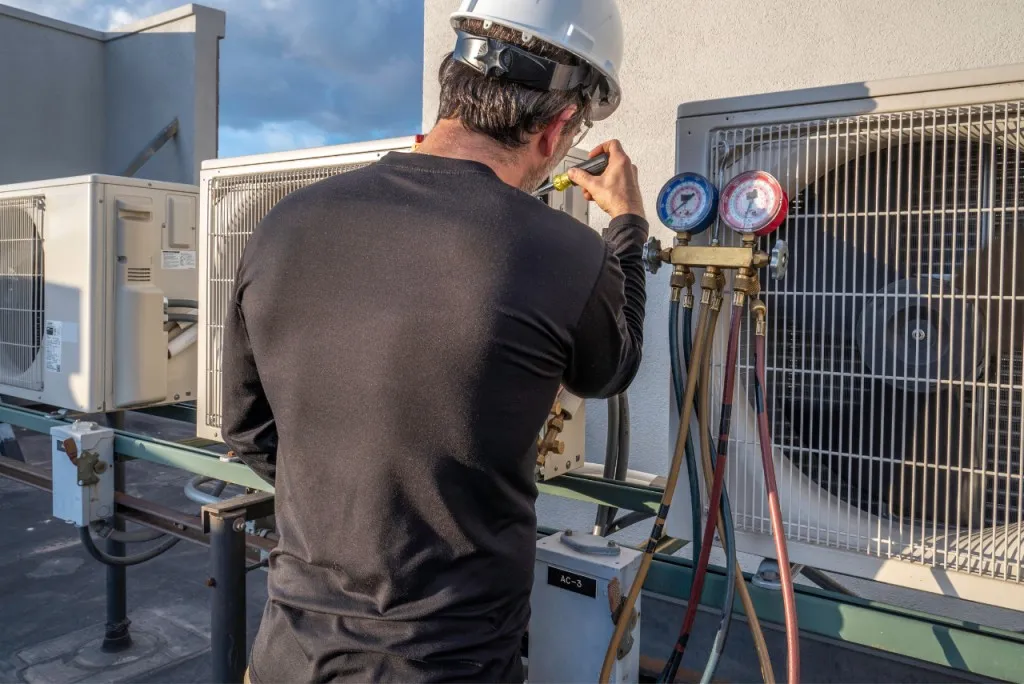
Struggling with home temperature control in Maple Ridge? Contact us for expert HVAC repairs, installation, and long-term efficiency solutions today!
Is Your Indoor Temperature Becoming Unbearable?
Is your air conditioner failing to keep up with the summer heat, or is your heating system unable to cope with the chilly winters? You’re not alone in facing these climate control challenges. Homeowners in Maple Ridge, BC often encounter unexpected breakdowns just when the weather turns extreme, leaving families uncomfortable and frustrated. When your system compromises your indoor environment, you need an immediate solution, not a waiting list. Contact us now to restore your home’s comfort.
Big Valley Heating & Sheet Metal Ltd. addresses these urgent needs by providing comprehensive diagnostics and rapid repairs. Our approach focuses on restoring functionality immediately while planning for long-term efficiency.
- Rapid response times are standard, with same-day service availability for urgent failures.
- Certified technicians come equipped to repair, maintain, and install all major HVAC brands.
- Clear, upfront pricing is provided before work begins, ensuring there are no hidden fees.
All installations are fully licensed, with extended warranties to suit your budget.
Immediate HVAC Solutions Available Today
When a heating or cooling system fails, the priority is diagnosing the root cause accurately and implementing a fix that lasts. Services provided today go beyond simple patch jobs; they encompass a full evaluation of the mechanical, electrical, and airflow components of your HVAC system. Whether dealing with a furnace that blows cold air or an air conditioner that refuses to cycle on, the goal is to return the home to a set temperature range between the typical local lows of 0°C and summer highs of 27°C.
Service appointments begin with a thorough inspection. For heating systems, this involves checking the heat exchanger for cracks, testing the ignition system, and verifying that the blower motor is operating at the correct RPM. For cooling units, technicians examine refrigerant levels, inspect the compressor for electrical faults, and clean condenser coils to ensure efficient heat transfer.
Homeowners receive a detailed report of the system’s health immediately following the assessment. This transparency allows for informed decisions regarding repairs or adjustments. The scope of service includes full system tune-ups, component replacement (such as capacitors, contactors, or igniters), and calibration of thermostats to ensure the temperature reading on the wall matches the actual temperature in the room.
The Installation and Replacement Process
Installing a new heating or cooling system is a significant project that requires precision and adherence to strict technical standards. A proper installation ensures that the unit operates at its rated efficiency (SEER or AFUE) and provides consistent comfort across all zones of the property. The process follows a structured timeline designed to minimize disruption to the household while maximizing system performance.
- Load Calculation and Sizing: The process begins with a Manual J load calculation. This engineering calculation determines the exact heating and cooling requirements of the specific structure. Factors such as square footage, insulation levels, window orientation, and local climate data are analyzed to select a unit that is neither too large (which causes short-cycling) nor too small (which runs continuously without reaching the setpoint).
- Site Preparation and Removal: Technicians protect the workspace with drop cloths and shoe covers before beginning work. The existing unit is disconnected from electrical and gas lines safely. Refrigerant from old air conditioners is recovered according to environmental regulations, ensuring no harmful chemicals are released into the atmosphere. The old equipment is then removed and hauled away.
- System Installation: The new furnace, heat pump, or air conditioner is positioned and leveled. For split systems, the indoor evaporator coil and outdoor condenser are installed. Technicians connect the refrigerant lines, ensuring they are brazed correctly to prevent leaks. Electrical connections are wired to code, and gas piping (if applicable) is tested for tightness.
- Ductwork and Airflow Optimization: Existing ductwork is inspected for leaks or disconnects. In many cases, the plenum of the box connecting the unit to the ducts is modified to fit the new equipment and improve airflow. Proper airflow is critical for the longevity of the system and the comfort of the occupants.
- Testing and Commissioning: Once the physical installation is complete, the system is started and tested. Technicians measure static pressure, temperature rise (for heating) or drop (for cooling), and gas pressure. The thermostat is programmed, and the homeowner is walked through the operation and maintenance requirements of the new system.
Determining When to Replace vs. Repair Your System
Deciding between repairing an aging unit or investing in a new system is a common dilemma for homeowners. While repairs often seem like the cheaper upfront option, they can be more costly in the long run if the system is nearing the end of its service life. Making the right choice requires analyzing the age of the equipment, the frequency of recent breakdowns, and the potential energy savings of a modern unit; visit our blog for more insights.
Consider replacement if the equipment is over 10 to 15 years old. Heat pumps and air conditioners typically last about 15 years, while furnaces may last up to 20. As these units age, components wear out simultaneously. Fixing one part often leads to another failure shortly after. If the cost of a repair approaches 50% of the value of a new system, replacement is generally the more financially sound decision.
Energy efficiency is another major factor. Older systems often operate at much lower efficiency levels compared to modern standards. A 15-year-old air conditioner might have a SEER rating of 10 or less, whereas new units can exceed SEER 20. Upgrading can significantly reduce monthly utility bills, offsetting the installation cost over time. If your energy bills have been steadily climbing despite normal usage, the system is likely losing efficiency.
Comfort issues also signal the need for replacement. If some rooms are always too hot while others are too cold, or if the system is excessively noisy, it indicates that the unit is struggling to distribute air effectively. Humidity control is also superior in newer models, which is particularly relevant in maritime climates where indoor moisture levels can impact air quality.
Local Considerations for HVAC in Maple Ridge
Operating HVAC equipment in Maple Ridge requires specific attention to the local moderate maritime climate. The region experiences mild, wet winters and warm, dry summers, presenting a unique set of challenges for residential climate control. Equipment must be capable of handling high humidity loads during the rainy season, which typically peaks from October to March.
- Humidity Management: The heavy rainfall and general dampness of the winter months mean that heating systems must work in tandem with ventilation to prevent mold growth and maintain indoor air quality. Heat pumps are a popular choice in this region because they provide efficient heating in mild winter temperatures and double as air conditioners and dehumidifiers in the summer.
- Permitting and Codes: All HVAC installations and major modifications in Maple Ridge require adherence to local building codes. Permits ensure that gas lines are safe, electrical circuits are not overloaded, and venting meets safety standards to prevent carbon monoxide buildup. Professional installers handle the acquisition of these permits and schedule the necessary municipal inspections.
- Utility Rebates and Incentives: Local utility providers and government programs frequently offer rebates for upgrading to high-efficiency heat pumps or furnaces. These incentives are designed to reduce the load on the electrical grid and lower carbon footprints. Eligibility often depends on the specific efficiency rating of the new unit and the certification of the installer.
- Seasonality and Scheduling: Due to the distinct seasonal shifts, demand for HVAC services spikes during the first heatwave of summer and the first freeze of winter. Homeowners are encouraged to schedule maintenance or replacements during the shoulder seasons (spring and fall) to ensure systems are ready for the extreme weather and to secure faster appointment times.
Why Professional Execution Matters
The difference between a reliable, efficient system and one that causes constant headaches lies in the quality of the service. Modern HVAC equipment involves complex electronics and high-pressure refrigerants that require specialized tools and training to handle safely. Attempting DIY repairs or hiring unqualified labor often voids manufacturer warranties and risks safety hazards such as electrical fires or gas leaks.
Big Valley Heating & Sheet Metal Ltd. employs technicians who undergo rigorous training to stay updated on the latest HVAC technologies and safety protocols. This expertise ensures that load calculations are accurate, venting is safe, and systems are optimized for maximum energy savings. Professional service providers also carry liability insurance and offer labor warranties, providing peace of mind that the investment is protected.
When you choose a professional service, you are paying for the assurance that the job is done right the first time. From selecting the correct equipment size to fine-tuning the thermostat settings, every step is executed with precision. Secure your home’s comfort and efficiency by relying on proven expertise for your heating and cooling needs.
Don’t let a faulty system disrupt your life; secure your appointment for repair or installation today.
Let’s find the right solution for your home.
Have a question, need a repair, or thinking about an upgrade? A real Big Valley person — not a phone tree — will help you figure out the best next step. No pressure, just honest advice.
Request Your Free Estimate
Request a Free Estimate
Loading form. If it does not load, please use the other contact options on this page.
Your information is handled as described in our Privacy Policy. You can opt out of analytics and advertising storage at any time via Your Privacy Choices.