



Evaporative Humidifiers In Maple Ridge, BC
Combat dry air in your Maple Ridge home with our evaporative humidifiers. Restore comfort, enhance indoor air quality and energy efficiency. Contact us for installation details.
Experiencing Dry Air at Home?
Tired of the discomfort and health issues from dry air in your Maple Ridge home, such as cracked skin, irritated sinuses, or static shock? Our evaporative humidifiers are designed to restore ideal moisture levels, enhancing comfort and air quality immediately. Contact us today to discuss installation options.
Big Valley Heating & Sheet Metal Ltd. specializes in integrating these systems directly into your existing HVAC infrastructure to ensure consistent results:
- Improve indoor air quality with efficient moisture control.
- Reduce risks of respiratory problems and skin dryness.
- Low maintenance solutions with energy-efficient operation.
Backed by a full warranty and expert local support.
How the Right Humidifier Can Transform Your Home Environment
Installing a dedicated evaporative humidifier goes beyond simple comfort; it fundamentally changes the way your home functions during the heating season. In Maple Ridge, when the temperature drops and your furnace runs frequently, the relative humidity inside your home can plummet to desert-like levels. This lack of moisture pulls water from wherever it can find it, including your body and your home’s structural materials. A professionally installed whole-home system introduces water vapor into your ductwork, distributing it evenly to every room.
The impact on your physical health is often the most immediate benefit. Dry air dries out the mucous membranes in your nose and throat, which are your body's first line of defense against viruses and bacteria. By maintaining humidity levels between 35% and 50%, you support your immune system and alleviate symptoms of asthma and allergies. Furthermore, proper humidity helps retain heat better than dry air. This means you can often lower your thermostat by a few degrees while maintaining the same level of perceived warmth, leading to noticeable energy savings over the winter months.
Your home’s interior also requires moisture stability. Hardwood floors, wooden furniture, and musical instruments are highly susceptible to damage in low-humidity environments. Wood acts like a sponge; when the air is too dry, wood loses moisture and shrinks, leading to gapping, cracking, and warping. An evaporative humidifier provides a consistent baseline of moisture that preserves the integrity of your expensive home finishes and furnishings:
- Preservation of Woodwork: Prevents the shrinking and cracking of hardwood floors, crown molding, and antique furniture.
- Static Electricity Reduction: Eliminates the annoying and potentially damaging static shocks that occur in dry environments, protecting sensitive electronics.
- Improved Sleep Quality: Reduces snoring and dry throat issues, allowing for more restful sleep cycles.
- Dust Suppression: excessive dryness causes dust to become lighter and airborne; proper humidity helps settle dust particles, making filtration more effective.
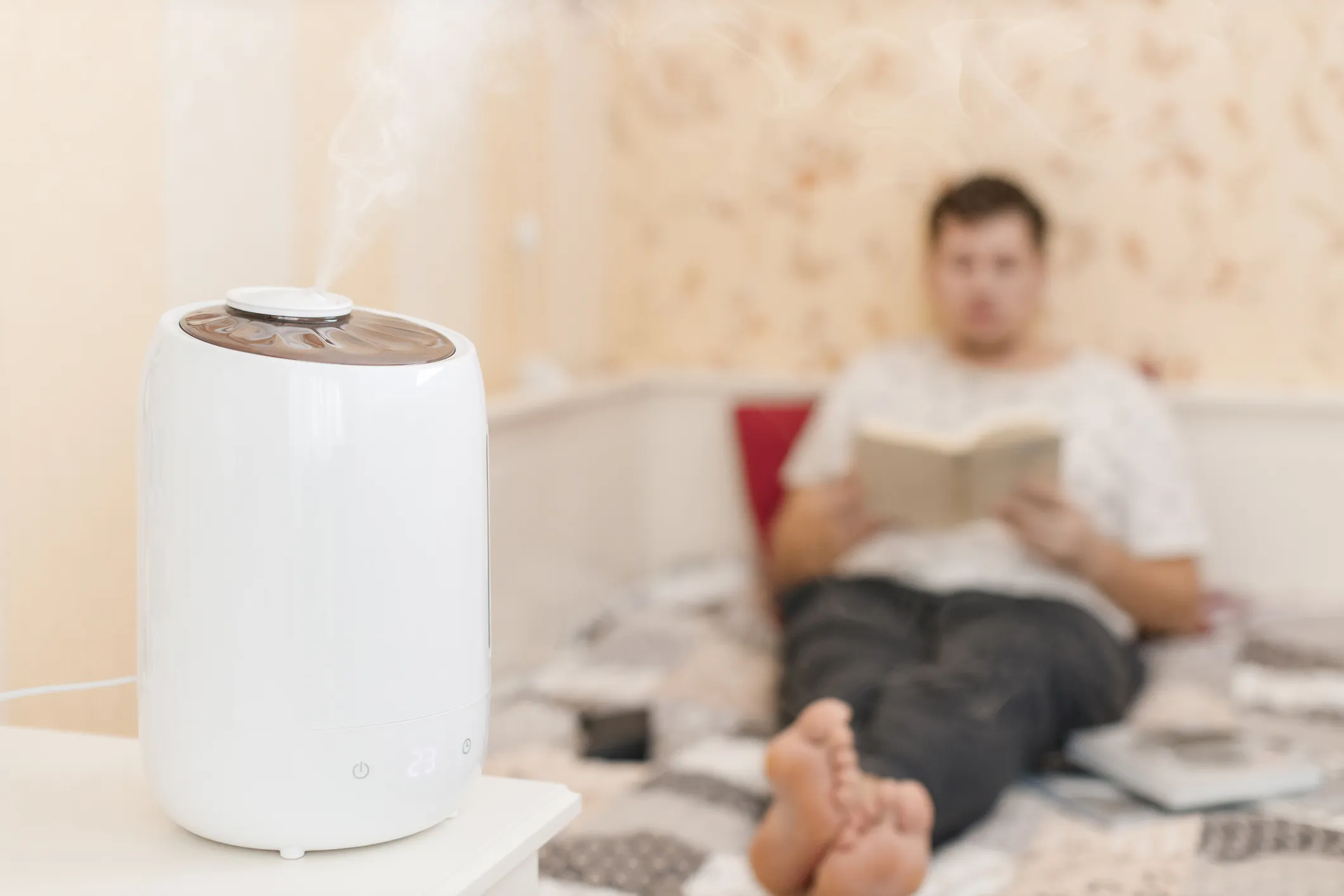
Models Tailored to Your Space Requirements
Selecting the correct evaporative humidifier involves more than just picking a box off a shelf; it requires matching the unit's capacity (measured in gallons per day or GPD) to the square footage of your home and the tightness of your building envelope. Evaporative units work by blowing hot air from your furnace over a water-saturated panel (often called a wick or water pad). The water evaporates into the air stream and circulates throughout the house.
There are generally two main configurations for evaporative humidifiers: bypass units and fan-powered units. Bypass humidifiers use the pressure difference between the supply and return ducts to force air through the water panel. These are energy-efficient because they do not require an internal motor, utilizing the furnace blower instead. They are ideal for homes with accessible ductwork where a bypass duct can be easily routed.
Fan-powered units, on the other hand, have their own internal fan to push air through the water panel. These are capable of producing more humidity even when the furnace is running on low speed or during shorter cycles. They are often the preferred choice for larger homes in Maple Ridge or installations where space is tight, and a bypass duct is not feasible. We help you determine which configuration offers the most efficient moisture delivery for your specific layout:
- Bypass Humidifiers: Utilize existing airflow from the furnace; quiet operation; requires a bypass duct connection; ideal for small to medium-sized homes.
- Fan-Powered Humidifiers: Includes an internal fan for increased evaporation rates; excellent for larger homes or heat pump applications; installed directly onto the supply plenum.
- Automatic vs. Manual Control: Modern systems include automatic humidistats that adjust moisture output based on outdoor temperatures to prevent window condensation.
- Water Panel Efficiency: High-quality wicking filters maximize surface area for evaporation while trapping minerals and sediment.
Simple Installation Process: What to Expect
A professional installation ensures that your evaporative humidifier operates safely and effectively without risking water damage or air leakage. The process begins with a thorough evaluation of your current HVAC system to identify the optimal location for the unit. The goal is to place the humidifier where it can maximize evaporation and distribution without interfering with other components like A/C coils or air cleaners.
Technicians will cut a precise opening into the supply or return plenum. Metal shears are used to ensure the edges are clean and the unit seats perfectly against the ductwork to prevent air leaks. Once the physical unit is mounted, the water supply must be connected. This usually involves tapping into a nearby hot or cold water line (hot water is often preferred for evaporative units as it increases the evaporation rate). A saddle valve or a dedicated plumbing tee is installed to feed water to the unit.
The electrical component involves wiring the humidistat and the solenoid valve. The humidistat acts as the brain of the system, detecting humidity levels in the return air and signaling the water valve to open when moisture is needed. Big Valley Heating & Sheet Metal Ltd. ensures that these controls are interlocked with your furnace blower so that the humidifier only runs when air is moving, preventing water waste and potential pooling in the ducts:
- Site Assessment: Verification of plenum space, water access, and drainage options near the furnace.
- Mounting the Unit: Cutting the template into the ductwork and securing the housing with a gasket seal to ensure airtight performance.
- Water Line Connection: Running copper or plastic tubing from the water source to the solenoid valve; installing a shut-off valve for maintenance.
- Drainage Setup: Routing a drain line from the bottom of the humidifier to a floor drain or condensate pump to handle unevaporated water (flow-through design).
- Control Wiring: Installing the humidistat (either wall-mounted or duct-mounted) and connecting it to the furnace control board.
- System Testing: Running the furnace to verify water flow, checking for leaks, and calibrating the humidistat for the homeowner.
Deciding Between Repair or Replace: A Quick Guide
Evaporative humidifiers are robust, but like any mechanical system involving water and minerals, they have a finite lifespan. Knowing when to invest in a repair versus a full replacement can save money and prevent water damage. The most common "repair" is simply maintenance: changing the water panel. However, mechanical failures in the solenoid valve or humidistat can also occur.
If your unit is over 10 to 12 years old, parts may become obsolete or more expensive than a new modern unit. Older units often build up significant calcium and lime deposits (scale) on the housing that cannot be scraped away without damaging the plastic. If the structural integrity of the housing is compromised, risking a leak, replacement is the only responsible option; view available rebates today:
- Solenoid Valve Failure: If water fails to flow even when the humidistat calls for it, the valve may be stuck or burnt out; this is usually a repairable component.
- Severe Scale Buildup: If the unit housing is encrusted with mineral deposits that impede airflow or water flow, replacement is recommended to restore efficiency.
- Cracked Housing: Any visible cracks in the plastic casing warrant immediate replacement to prevent water damage to your furnace and floors.
- Motor Noise (Fan-Powered Units): Grinding or squealing noises suggest the internal fan motor is failing; if the unit is older, replacement is often more cost-effective than a motor swap.
- Inconsistent Humidity: If the unit runs constantly but fails to raise humidity levels, the water distribution tray may be clogged, or the unit may be undersized for the home's current needs.
Maple Ridge Climate Considerations for Evaporative Humidifiers
Maple Ridge experiences a temperate oceanic climate characterized by cool, wet winters and warm, dry summers. While the outdoors may feel damp during the winter months due to rainfall, the physics of heating air creates a paradox inside your home. When outside air at 5°C (41°F) with high humidity is brought inside and heated to 21°C (70°F), its relative humidity drops significantly, often below 20%.
This phenomenon makes evaporative humidifiers an essential component of the HVAC system in this region. You are not fighting outdoor dryness; you are correcting the dryness created by your furnace. During the shoulder seasons of spring and autumn, moisture needs fluctuate. An evaporative system with an automatic humidistat is particularly valuable here, as it can adjust output daily based on the fluctuating outdoor temperatures common in the Fraser Valley area:
- Winter Dryness: Heating cold, damp air dramatically lowers relative humidity, necessitating artificial humidification.
- Shoulder Season Variability: rapid temperature shifts in spring require responsive humidity controls to prevent over-humidification (window condensation).
- Summer Operation: During the dry summers, the system generally stays off, but the flow-through design prevents stagnant water from sitting in the unit until the next heating season.
Our Commitment: Warranty and Aftercare Services
Investing in an evaporative humidifier is an investment in long-term home health. We stand behind our installations with comprehensive warranty coverage that protects you against manufacturing defects and installation errors. Most of the brands we install carry robust manufacturer warranties on parts, and we supplement this with a guarantee on our labor.
Aftercare is vital for evaporative systems. The core maintenance task is replacing the water panel (wick) at least once per heating season. Over time, minerals from the water supply clog the pores of the pad, reducing evaporation efficiency. We provide guidance on how to perform this simple task or can include it as part of a regular furnace maintenance plan. We also verify that the drain lines remain clear to prevent backups:
- Manufacturer Warranty: Coverage on core components like the housing, motor, and solenoid valve.
- Labor Guarantee: Assurance that the installation meets all local codes and manufacturer specifications.
- Maintenance Guidance: Instruction on how to change water panels and adjust humidistat settings for different seasons.
- Support Access: Direct access to technicians for troubleshooting regarding water flow or humidity levels.
Take control of your indoor climate and protect your family from the harsh effects of dry air. Contact Big Valley Heating & Sheet Metal Ltd. today to schedule your evaporative humidifier installation.
Customer Testimonials
Our customers consistently share their satisfaction with our professionalism, prompt service, and the lasting comfort we bring to their homes.