



Grills Services In Maple Ridge, BC
Struggling with grill issues in Maple Ridge, CA? Ensure peak performance with professional repair and maintenance. Contact us today for expert service.
Is Your Grill Failing to Ignite or Heat Evenly?
Whether your grill is failing to ignite or just doesn't cook like it used to, unresolved issues can ruin your outdoor cooking experience. Get professional, timely help that restores your grill to its peak performance by contacting our team for a diagnostic appointment today.
Residents in Maple Ridge, CA rely on their outdoor kitchens for entertaining and family meals, but a breakdown can happen at the worst possible moment. Big Valley Heating & Sheet Metal Ltd. provides specialized intervention to ensure your equipment operates safely and efficiently.
• Rapid diagnostics and precise repairs by certified technicians.
• Enhanced grill performance and longevity with thorough maintenance services.
• Cost-effective solutions which include promotions that prevent the need for premature replacements.
All services backed by a full warranty to ensure your peace of mind.
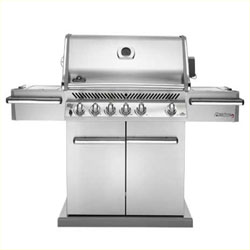
Comprehensive Grill Inspection and Repair Services
A malfunctioning grill is often more than just a culinary inconvenience; it can be a significant safety hazard. Gas leaks, blocked venturi tubes, and grease buildup increase the risk of fire or carbon monoxide exposure. Addressing these issues requires a systematic approach that goes beyond surface-level cleaning. Professional service targets the internal mechanics of the unit to ensure consistent heat distribution and reliable ignition.
In Maple Ridge, where outdoor living is a staple, maintaining the integrity of your grilling station is essential. Service begins with a complete tear-down of the cooking system. Technicians remove cooking grates, heat plates, and burners to access the firebox. This allows for the identification of corrosion, rust-through, or obstructions that standard cleaning cannot reach.
Common components that require professional attention include:
• Burner Tubes: Over time, ports clog with drippings and oxidation, causing uneven flames or "hot spots." Technicians clear these ports or replace the tubes to restore even heat distribution.
• Ignition Systems: If you hear the clicking sound but get no flame, or if the battery replacement didn't solve the issue, the problem often lies in the electrode, wiring, or spark module.
• Regulators and Hoses: A grill that won't get up to temperature often has a faulty regulator or a leak in the hose. Pressure testing ensures gas flows correctly from the propane tank or natural gas line.
• Valves and Manifolds: Stiff knobs or gas smells when the unit is off indicate valve failure. This requires precise mechanical skill to repair or replace safely.
High-end brands such as Weber, Napoleon, and Traeger are built to last, but they contain complex engineering that demands manufacturer-specific knowledge. Whether dealing with a pellet grill auger jam or a natural gas conversion, the goal is to return the unit to factory specifications.
The Professional Restoration and Maintenance Process
Restoring a high-performance grill involves a rigorous workflow designed to maximize efficiency and safety. Homeowners attempting DIY repairs often overlook critical safety checks or use incompatible generic parts that void warranties. A professional approach ensures that every aspect of the grill, from the fuel source to the cooking surface, is functioning correctly.
The process follows a logical sequence to ensure no detail is missed:
• Initial Assessment and Safety Check: The service begins with a visual inspection of the gas lines and connections. Technicians perform a leak-down test to identify any compromises in the fuel delivery system before touching the mechanical parts.
• Deep Cleaning and Degreasing: Before repairs can be effective, accumulated carbon and grease must be removed. This involves scraping the firebox, cleaning the hood interior to prevent carbon flake peeling, and degreasing the drip pans. This step is vital for preventing grease fires.
• Component Analysis and Replacement: Once cleaned, parts are inspected for structural integrity. Rusted heat tents, cracked ceramic briquettes, or corroded burners are identified. You receive a report on what needs immediate replacement versus what has remaining life.
• Reassembly and Calibration: After new parts are installed, the grill is reassembled. Technicians calibrate the air shutters on the burners to ensure the correct air-to-gas ratio, producing a clean, blue flame rather than an inefficient yellow one.
• Final Performance Test: The grill is fired up and monitored for heat consistency. Temperature gauges are verified against digital thermometers to ensure the lid thermometer is reading accurately.
Deciding Between Repair and Replacement
One of the most common questions homeowners face is whether to invest in repairs or purchase a new unit. This decision depends on several factors, including the brand quality, the age of the unit, and the extent of structural damage. In many cases, repairing a high-quality grill is significantly more cost-effective than buying a new one of equal caliber.
Consider the "Repair vs. Replace" equation:
• Structural Integrity of the Firebox: If the main body of the grill (the casting or firebox) is rusted through or cracked, replacement is usually necessary. However, if the firebox is intact, almost every other internal part can be replaced.
• Brand Value: Premium grills from manufacturers like Weber, Napoleon, or high-end built-in models are investments. Replacing the burners, grates, and igniters on these units costs a fraction of the price of a new comparable model. Conversely, mass-market "disposable" grills often cost more to fix than to replace.
• Availability of Parts: Professional services have access to OEM (Original Equipment Manufacturer) parts. If parts are obsolete, replacement is the only option. If parts are available, a repair extends the unit's life by several years.
• Performance Expectations: If you are unsatisfied with the size or heat output of your current grill, no amount of repair will change its design limitations. In this case, upgrading is the better path.
Big Valley Heating & Sheet Metal Ltd. helps you navigate this decision by providing transparent quotes. If the cost of repair approaches 50% of the cost of a new unit, a recommendation for replacement is typically made. However, for minor issues like a failed igniter or worn grates, repair is the smart financial choice.
Seasonal Considerations and Local Requirements
Operating a grill in Maple Ridge requires attention to specific environmental factors and local regulations. The temperate oceanic climate brings distinct challenges that impact how grill maintenance should be approached. While summers are dry and perfect for cookouts, the wet winters and fall precipitation are the primary enemies of outdoor appliances.
Combating Moisture and Corrosion
The high moisture content in the air during fall and winter accelerates oxidation. Stainless steel, despite its name, can stain and pit if not properly maintained. Regular professional maintenance includes the application of protective coatings and checking for early signs of rust on the exterior cabinet and internal components. Ignoring this during the wet season often leads to seized bolts and crumbled burners by the time spring arrives.
Fuel Source and Permitting
For homeowners installing permanent built-in grills or outdoor kitchens, understanding local codes is mandatory.
• Natural Gas Connections: Connecting a grill to the home’s natural gas supply requires a permit and professional installation to ensure the line is sized correctly for the BTU output of the grill.
• Ventilation: Built-in units, especially those under structures like pergolas or patios, require specific clearance and ventilation to prevent smoke accumulation and fire hazards.
• Propane Safety: For standalone units, checking the expiration date on propane tanks and ensuring the regulator hose is not dry-rotted from sun exposure is a standard part of the safety protocol.
Preparation for the grilling season should ideally happen in early spring. This ensures that any parts ordered have time to arrive and be installed before the peak entertaining season begins. Conversely, a post-season service in late autumn prepares the unit for hibernation, preventing mold growth and pest infestation inside the cover.
Why Technical Expertise Matters for Outdoor Kitchens
Grills have evolved from simple charcoal basins to complex appliances with infrared sear zones, rotisserie motors, and Wi-Fi connectivity. Servicing these modern units requires a technician who understands both gas fitting and electrical systems. A general handyman may lack the specific training required to diagnose an intermittent electrical fault in a pellet grill or properly adjust the venturi tubes on a high-end gas grill.
Professional technicians bring a level of precision that guarantees results. They utilize specialized tools to measure gas pressure and leak detectors that are far more sensitive than the traditional "soapy water" test. This expertise translates to:
• Consistent Cooking Results: No more guessing where the hot and cold spots are.
• Improved Fuel Efficiency: A properly tuned grill uses less gas to reach the target temperature.
• Safety Assurance: Verification that all safety valves and shut-offs are functioning correctly.
When you choose a dedicated service provider, you are investing in the longevity of your outdoor living space. The focus remains on delivering a cooking experience that is reliable, safe, and enjoyable.
Ready to Restore Your Grill?
Don't let a faulty starter or uneven heating force you back into the kitchen. Ensure your grill is ready for the next barbecue by securing professional repair and maintenance today.
Customer Testimonials
Our customers consistently share their satisfaction with our professionalism, prompt service, and the lasting comfort we bring to their homes.